
Industrial Robot Applications
Programming robot movements
Easily machine complex parts – whether the workpiece is on the table or mounted on the robot arm. Eliminate lengthy “teach-and-learn” methods – reduce production time by generating NC programs for the robot, including toolpath and tool change simulations.
Completely flexible for higher productivity – increase the robot’s workspace by using external axes, such as rails and rotary tables.
Simulate motion on the software.
Configure the robot according to your actual setup – ensuring stability each time you use the Robot PowerMill setup. Export directly to the robot language without the need for third-party software.
Check the safety of the programmed movements.
Helps identify issues early on – displays the robot’s workspace to optimize the system’s position and view the maximum movement range required for each axis.
Optimizes machine performance – provides position-based graphs to avoid axis over-limit, robot axis misalignment, and axis reversal to eliminate the possibility of overload. Ensures safety in machining – saves your robot cell configuration, including axis limits, tool constraints, and the robot’s home position
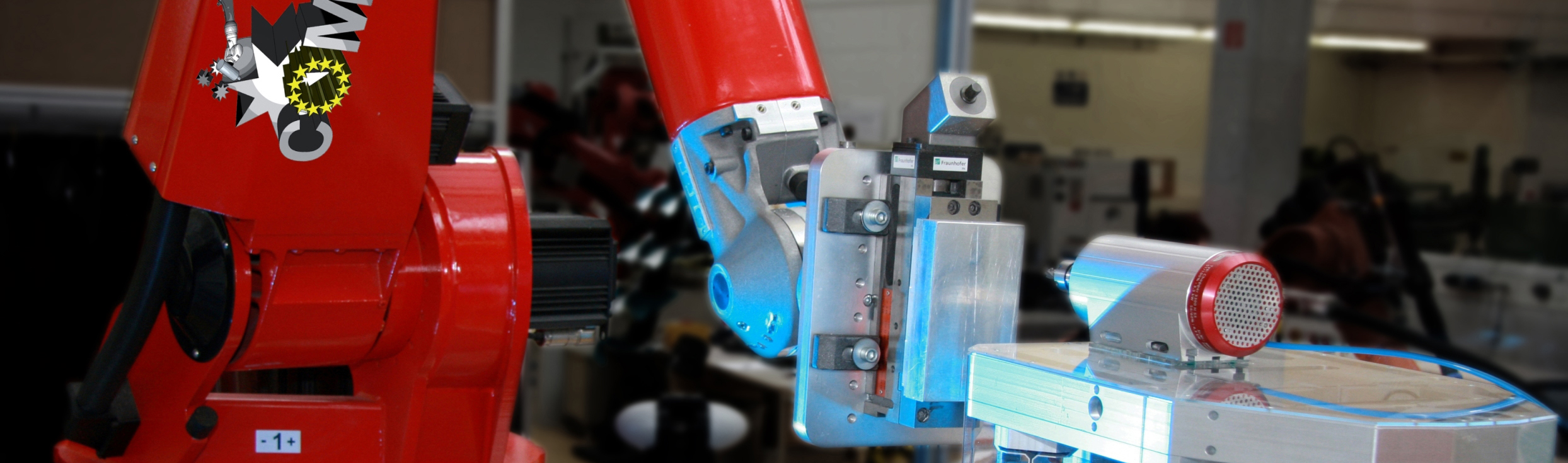
Applications of Robot Programming in Manufacturing
Stone and wood carving
Turn your robot into a powerful sculpting tool, using toolpaths to create large and complex stone and wood sculptures.
Machining foam and plastic
If you use a robot to machine sculptures or carvings from foam or plastic, PowerMill Robot can help you achieve higher finishing quality and significantly reduce programming time.
Supports material sintering printing
Helps identify issues early on – displays the robot’s workspace to optimize the system’s positioning and view the required maximum motion range of each axis.
Repair worn or damaged surfaces through laser cladding and use it to modify the surface of a part to enhance performance or wear resistance.